
How to Start Collecting Pokémon Cards in 2026
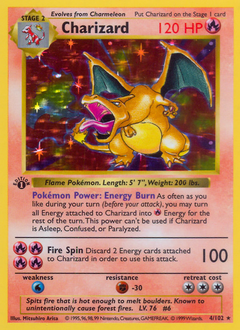
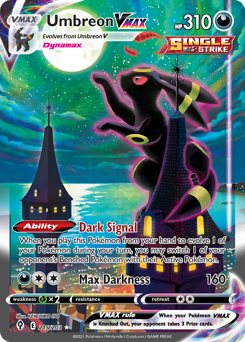
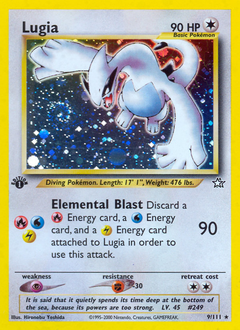
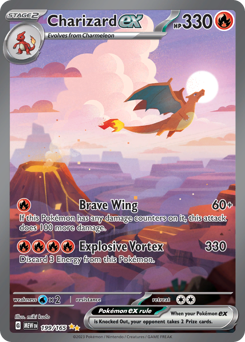
Pokémon card collecting is experiencing the biggest boom in its history — and you can start with just a few euros or several hundred. This is the path we would send every beginner down.
1. Decide what you are: a collector, a player, or an investor
- Collector collects what they like — a specific Pokémon, a set, an illustrator. The cheapest and most joyful start.
- Player wants cards for playing — buys according to game format, not rarity.
- Investor buys sealed products and lets them sit. Requires capital, patience, and storage space.
Most people are a mix — but knowing what dominates will save you money on every purchase.
2. First purchase: what yes, what no
Good start: one Elite Trainer Box (ETB) of the current set — you get boosters, sleeves, and a die, and you'll see what the set looks like. Or go straight for single cards: buy the specific card you want for a fraction of the price of opening boosters.
Bad start: "mystery boxes" from influencers, single boosters from a party at the checkout, and anything "with a guaranteed hit." The math of opening boosters is merciless — boosters are worth opening for the joy, not for profit.
3. Learn to read the market
The price a seller asks is not what a card or box is worth — it's what it actually sells for. For Europe, the reference is Cardmarket; for graded cards, auction results. Before every purchase, check at least one real selling price.
4. Protect what you buy
A card worth more than a few euros belongs in a sleeve and a toploader. Keep boxes in the dark, dry, and at a stable temperature. More in the article on storage.
5. Keep records from day one
It sounds excessive, but it's not: whoever keeps track of what they bought and for how much from the start will know exactly what they have in a year and whether they're in the black. That's exactly what the free collection tracker on Poke Invest is for, with value development.
First purchase by budget
- Up to €20: a couple of boosters from the latest set for the joy of opening + first sleeves and a binder. Or 2–3 nice single cards of a Pokémon you like — for the price of one booster you get certainty instead of a lottery.
- Up to €50: an ETB of the latest set — a good ratio of contents, sleeves, and experience — or a booster bundle + singles.
- €100 and more: think here: either the joy of opening (booster box), or value (leave a sealed product unopened, or buy one quality graded card).
Basic equipment (up to €15)
- Penny sleeves — thin sleeves, first layer for every card with value.
- Toploaders — hard case for more valuable cards and mailing.
- Binder with side-loading pages — cards are inserted from the side, don't fall out, and don't crease. Ring binders damage cards — you want zips.
Where to buy — and where not to
- Good: local card shops, verified e-shops, collector exchanges with ratings (that's exactly what this site is for).
- Careful: marketplaces without reviews, "mystery packs" and repacks (repackaged cards — value is usually a fraction of the price), auctions from accounts without history.
- Always check the price on Cardmarket — the trend price is a realistic basis; a "sale" below market price for sealed product is a warning, not a win.
Three rules to start with
- Buy what you understand. Spend the first month reading and asking — the forum is there for that.
- Set yourself a monthly budget and stick to it. A hobby should be joy, not stress.
- Keep records from day one — what, when, for how much. That's exactly what the free collection tracker on Poke Invest is for.